Volcano Cloud Causes Methane Destruction: Shocking New Findings
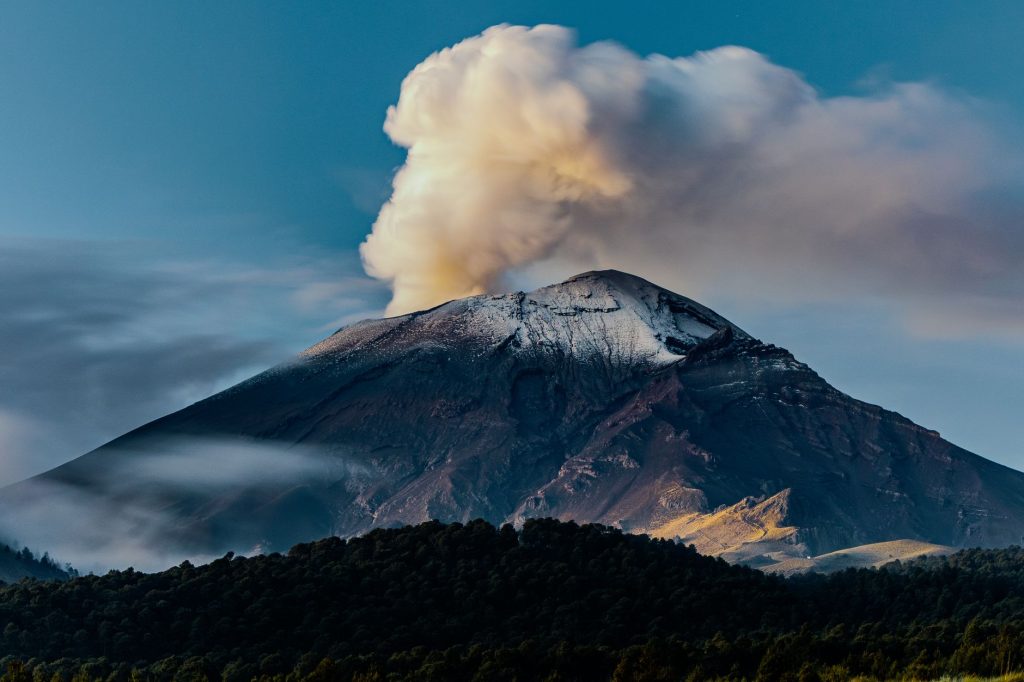
volcano cloud methane destruction has scientists stunned as new findings emerge about its environmental impact. This unexpected phenomenon raises questions about climate change and natural processes.
What Caused the Volcano Cloud?
Recent research has unveiled surprising insights into the phenomenon known as the volcano cloud, which has been identified as a significant factor in the destruction of methane in the atmosphere. This unexpected discovery has left scientists stunned, prompting a deeper investigation into the underlying causes.
Key factors contributing to the formation of the volcano cloud include:
- Volcanic Eruptions: When a volcano erupts, it ejects a mixture of gases, ash, and particles into the atmosphere, forming a dense cloud.
- Chemical Reactions: Within the cloud, various chemical reactions occur, leading to the breakdown of methane molecules, a potent greenhouse gas.
- Atmospheric Conditions: The specific temperature and pressure conditions present in the atmosphere during and after an eruption can enhance the cloud’s ability to destroy methane.
These findings suggest that the interplay between volcanic activity and atmospheric chemistry plays a critical role in regulating methane levels, highlighting the importance of understanding natural processes in combating climate change and maintaining ecological balance.
The Science Behind Methane Destruction
Recent studies have revealed the intriguing science behind the phenomenon of volcano cloud methane destruction. Researchers have discovered that when volcanic clouds form, they contain a variety of gases, including sulfur dioxide and water vapor, which can interact with methane in the atmosphere.
This interaction leads to a series of chemical reactions that significantly reduce methane levels. The presence of reactive compounds in the volcanic cloud accelerates the oxidation process of methane, transforming it into less harmful substances. The implications of this discovery are profound, as methane is a potent greenhouse gas that contributes to climate change.
Key findings indicate that:
- Volcanic eruptions can create conditions that enhance the breakdown of methane.
- Temporary decreases in atmospheric methane levels have been observed following eruptions.
- The scale of methane destruction may vary depending on the eruption’s intensity and composition.
These revelations challenge previous understandings of methane dynamics and highlight the complex interactions within our atmosphere, furthering our knowledge of volcanic impacts on climate systems.
Implications for Climate Change
The recent findings regarding the volcano cloud’s role in methane destruction have significant implications for climate change. Methane is a potent greenhouse gas, and its reduction in the atmosphere could alter the course of global warming.
Scientists are now examining how the interaction between volcanic clouds and methane affects climate patterns. Some key implications include:
- Potential for Natural Mitigation: The destruction of methane by volcanic clouds could serve as a natural mechanism to mitigate warming effects, providing insights into potential climate interventions.
- Long-term Atmospheric Changes: Understanding the lifecycle of methane during and after volcanic eruptions may lead to new models predicting atmospheric compositions over time.
- Impact on Policy: These findings could influence climate policy, emphasizing the need for monitoring volcanic activity and its effects on greenhouse gases.
As researchers continue to unravel the complexities of the volcano cloud methane destruction, the broader implications for climate science and environmental policy will become clearer, highlighting the intricate connections within Earth’s systems.
Historical Context of Volcanoes
Volcanoes have long been a subject of fascination and concern due to their powerful impact on the environment. Throughout history, eruptions have released vast amounts of gases, ash, and particulates into the atmosphere, affecting both local and global climates. The interplay between volcanic activity and atmospheric chemistry is complex and has significant implications for understanding environmental changes.
In recent years, researchers have increasingly focused on the role of volcanoes in altering greenhouse gas concentrations. One particularly striking phenomenon is the volcano cloud methane destruction, where volcanic emissions interact with methane, a potent greenhouse gas. Historical eruptions, such as Mount Pinatubo in 1991 and the more recent eruptions in Iceland, provide valuable data on how volcanic clouds can influence atmospheric chemistry.
In examining past volcanic activity, scientists have discovered that the release of sulfur dioxide and other compounds can lead to unexpected chemical reactions that may ultimately reduce methane levels in the atmosphere. This historical context sheds light on the potential benefits and risks posed by volcanic eruptions in the context of climate change and greenhouse gas management.
Future Research Directions
As researchers delve deeper into the phenomenon of volcano cloud methane destruction, several future research directions have emerged. Understanding the specific mechanisms behind the interaction of volcanic gases and methane is crucial for accurately predicting the environmental impacts. Scientists plan to conduct extensive field studies in regions affected by recent volcanic activity to gather more data on the concentrations of methane and other gases.
Additionally, there is a need for advanced modeling techniques to simulate the effects of volcanic eruptions on atmospheric chemistry. By incorporating real-time data, researchers can better assess how these events influence global methane levels over time.
Another promising area of study involves the role of different volcanic materials in methane destruction. Scientists will investigate how varying compositions of ash and gas emissions affect the breakdown of methane, which could lead to tailored strategies for mitigating greenhouse gas emissions.
Moreover, interdisciplinary collaborations between volcanologists, atmospheric scientists, and climate modelers are essential. This approach will enhance our understanding of the broader implications of volcano cloud methane destruction on climate change and environmental policies.
Public Awareness and Education
As scientists continue to analyze the recent findings regarding the volcano cloud, public awareness and education about the implications of this phenomenon are crucial. The volcano cloud’s unexpected ability to cause methane destruction has raised questions about how we engage with climate change and environmental stewardship.
Many people remain unaware of the significance of methane as a greenhouse gas, which is significantly more potent than carbon dioxide in its warming effects. To foster understanding, communities and educational institutions should prioritize initiatives that focus on:
- Workshops and seminars to explain the role of methane in climate change and how natural events like volcanic eruptions can alter its dynamics.
- Public campaigns aimed at raising awareness about the importance of monitoring greenhouse gases, including methane, especially in light of stunning discoveries like the volcano cloud’s destructive capabilities.
- Collaboration with local scientists to promote citizen science projects that encourage community involvement in environmental monitoring.
By enhancing public understanding of the volcano cloud and its implications, we can collectively contribute to more informed discussions about climate action and environmental policies.
Researchers have uncovered alarming evidence that the volcano cloud methane destruction is more extensive than previously thought. This phenomenon could have significant implications for climate change and atmospheric chemistry.
Photo by Amar Preciado on Pexels